Residential Pest Check Overview for Scarborough Homes
If you’re comparing pest control Scarborough options, a thorough home pest inspection is the smartest place to begin with. In Scarborough, ON, homes experience challenges from city crowding, changing weather, and the wide mix of property types found across Toronto and East End Toronto. If you own an older detached house, a condominiums unit, or one of the many townhomes in the area, the right pest inspection helps detect current problems and the conditions that allow them to worsen.
A detailed pest inspection is not just about spotting insects or rodents. It also looks at entry points, moisture conditions, storage issues, and the hidden harborage areas pests use to settle in. For homeowners, that means a clearer picture of what’s happening now, what may happen next, and whether extermination, exclusion work, or ongoing prevention is the most effective solution.
Why a Home Pest Inspection Includes
A professional pest inspection usually begins with a visual inspection of the indoor areas and outer areas of the property. The aim is to find signs of infestation, ongoing pest activity, and the circumstances that support it. A licensed licensed technician will move through common trouble spots, ask about recent sightings, and look for evidence that pests are gaining access, nesting, or feeding inside the home.
During a house pest inspection, the technician typically inspects for:
- Entry points around windows, doors, vents, utility openings, and foundation gaps
- Signs of infestation such as droppings, sheds, tracks, and damaged materials
- Areas of pest activity including kitchens, basements, attics, and garages
- Conditions that encourage pests, such as food access, clutter, and moisture
This process matters because pests rarely emerge without a reason. In many homes, the issue is not just the pests themselves but the structural vulnerabilities that let them stay. A careful inspection can reveal whether the issue is isolated or part of a more serious infestation that needs rodent control, insect control, or targeted preventive treatment.
For Scarborough homeowners, the inspection should also consider local property design and weather exposure. Many homes in the area have lower-level spaces, older utility runs, or shared walls that make pest movement easier. In those cases, the inspection is as much about prevention as it is about elimination.
Typical Insects Found in Scarborough Homes
Many pests commonly show up in homes across Scarborough, especially where meals, warmth, or shelter is easy to access. Common calls involve ants, cockroaches, mice, and bed bugs, but homeowners may also deal with rats, wasps, and spiders depending on the season and the structure of the property.
Ants often enter through tiny gaps in search of meals and water. They can travel indoors rapidly once they discover a source in kitchens or pantry spaces.
Cockroaches are a major issue in hotter, moisture-prone areas of the home. They hide in cracks, behind appliances, and in shared building systems, which makes early detection important in both houses and condominiums.
Mice and rats are frequent rodent control concerns in urban neighbourhoods. They squeeze through surprisingly small openings and often leave behind droppings, gnaw marks, and nesting materials. If they are active in walls, basements, or garages, the issue can escalate rapidly.
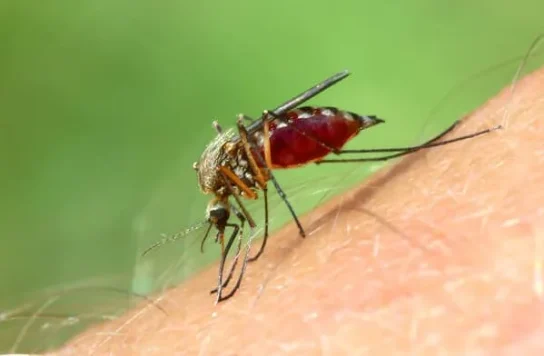
Bed bugs are another frequent issue in high-density parts of Toronto and East End Toronto. They spread through luggage, used furniture, and shared spaces, which makes apartment and condo inspections especially important.
Wasps may build nests near rooflines, decks, sheds, or eaves, while spiders often appear where other insects are present. Their presence doesn’t always mean a serious infestation, but it does suggest the home may offer shelter or access to prey insects.
Because every pest has its own behavior, the best pest control Scarborough strategy is one that fits the specific species, the property type, and the level of activity found during the inspection.
Why Scarborough Properties Are Prone to Pest Issues
Scarborough has a broad mix of properties, and that variety creates different pest risks. Older properties often have deteriorating foundations, cracks around utility penetrations, and past repairs that may not fully close the structure. These conditions create access points for rodents and insects alike.
Townhomes may be at risk because pests may travel along shared walls, roof spaces, or service conduits. One unit with a problem can sometimes influence neighbouring units, especially if there is limited entry prevention or poor building maintenance.
Condominiums bring their own challenges. Communal garbage areas, crowding of many units, and interconnected systems can make pest movement harder to trace. In multi-unit buildings, one resident may notice only a small issue while the broader structure is already supporting pest activity.
Basements are particularly significant in Scarborough homes. They often contain plumbing, mechanical equipment, storage, and less common day-to-day traffic, which makes ideal nesting sites and harborage areas for pests. Because basements are also more likely to be damp, they can support the moisture conditions that lure insects and rodents.
Regional conditions introduces an extra factor. Freeze and thaw patterns in the Toronto area can expand cracks in foundations, siding, and steps. Once those gaps form, pests can enter. Humid summer conditions can also increase moisture inside and outside, fueling cockroach activity, ant foraging, and general infestation pressure. This is why property maintenance in Scarborough needs to be ongoing, not intermittent.
How Expert Pest Control in Scarborough Works
Professional pest control Scarborough treatments usually use a careful process created to identify the reason, lower the existing problem, and prevent it from coming back. The initial major part is the inspection report. This record summarizes what the technician observed, where the problem looks to be originating, and what evidence backs up the diagnosis.
Next, the company develops a treatment plan. Depending on the pest and severity, this may include baiting, trapping, sealing, sanitation recommendations, and targeted safe treatment methods. For rodents and many insects, the plan may also involve exclusion work to block access routes and reduce repeat entry.
In many cases, the best solution is not only extermination. Effective pest management is generally a blend of removal, monitoring, prevention, and building changes. This is where integrated pest management makes a difference. Instead of relying on chemicals alone, the technician uses a blend of inspection data, behaviour patterns, and property conditions to create a more durable outcome.
Follow-up service is another key step of the process. Pests can return if a source is missed, if neighbouring units are active, or if seasonal conditions change. A follow-up visit confirms whether the treatment plan is working and whether new signs of pests are appearing.
For Scarborough homeowners, this approach is especially useful because the local housing mix can make pest pressure more complex than a single treatment can solve. The right local service should address both the current infestation and the long-term structural vulnerabilities that caused it.
Mosquito Man Scarborough1225 Kennedy Rd, Scarborough, ON M1P 4Y1, Canada
+1 647-243-7241
https://maps.app.goo.gl/8SuLx1MkkqVJFc2m9 https://mosquitoman.ca/pest-control/scarborough/
43.7561897, -79.2751574
Signs It’s Time for a Pest Inspection Today
Some pest problems remain out of sight for weeks or months, but the clear clues are often there if you understand what to look for. If you notice droppings, particularly in cupboards, along baseboards, in the basement, or behind appliances, you should arrange a pest inspection promptly. Droppings are a clear indicator of rodent or cockroach activity.
Gnaw marks on food packaging, wood, wires, or stored items often point to mice or rats. Rodents need to chew all the time to keep their teeth manageable, so fresh damage is a serious red flag.
Stains may appear along walls, near pipes, or around common routes. These can come from grease trails, moisture-related marks, or repeated travel paths used by pests. In kitchens and utility spaces, stains often signal that activity is happening frequently rather than being a one-time event.
You should also watch for nesting material such as shredded paper, fabric, insulation, or plant debris. When pests settle in, they often collect soft materials in hidden corners, behind stored items, or inside wall voids.
Other signs of pests include unusual odours, scratching sounds in walls or ceilings, or live sightings during the day. Daytime sightings can be more concerning because many pests are more active at night. If you see more than one sign, it is usually time to book a home pest inspection before the problem spreads.
How to Prepare Your Home for an Inspection
Preparing helps the inspector work more quickly and with greater detail. Start with the kitchen, since this is one of the most common feeding spots for ants, cockroaches, and rodents. Tidy counters, open access to under-sink spaces, and move anything that blocks the view of walls or baseboards.
After that, check the attic. If it’s safe to access, make sure boxes and stored items are arranged so the technician can look for droppings, nesting sites, or signs of movement. Attics can reveal roof entry points, bird or rodent activity, and older damage that may not be visible elsewhere.
Open the garage as well. Garages often connect to the home through gaps around doors or utility lines, and they commonly contain cardboard, stored furniture, or pet food that attracts pests. This area is especially important in Scarborough homes with attached garages or laneway access.
Remember storage areas such as closets, utility rooms, crawl spaces, and laundry rooms. Pests often hide in cluttered spaces because they offer warmth and protection. Clear pathways where possible so the inspector can see walls, corners, and floor edges.
If you’ve already seen signs of pests, avoid discarding evidence before the appointment. Photos, damaged packaging, or a sample of droppings can help the licensed technician identify the species more accurately and build a better treatment plan.
Preventive Guidelines for Scarborough Homeowners
Solid prevention measures decreases the likelihood of ongoing infestations. One of the most practical steps is sealing cracks around basements, pipes, vents, doors, and windows. Even small openings can become entry routes for mice, ants, and other pests. In Scarborough, where weather shifts can expand and contract materials, regular sealing is a sensible part of property maintenance.
Sanitation is equally crucial. Keep food sealed, wipe up spills quickly, and reduce clutter where pests can hide. Garbage bins should close tightly, and recycling should be rinsed when possible. These habits may seem simple, but they can remove the factors that support an infestation.
Moisture control is another major factor. Fix leaks, run dehumidifiers where needed, and make sure basement and bathroom ventilation works properly. Moist areas are attractive to cockroaches, ants, and rodents, and moisture can also worsen structural deterioration over time.
Landscaping matters too. Trim shrubs away from siding, keep woodpiles off the ground, and make sure soil does not hold water near the foundation. Overgrown vegetation can act as a bridge to the home, while damp soil near the base can attract pests and create access opportunities.
For homes near busy corridors or densely built neighbourhoods in East End Toronto, prevention should be ongoing. Seasonal checks, especially after freeze-thaw periods or humid summer spells, can help homeowners spot problems before they spread indoors.
When to Call a Local Pest Control Expert
You should contact a local pest control expert when signs of activity keep returning, when you see evidence in more than one area of the home, or when the source is not obvious. A licensed technician can determine whether the issue calls for exclusion, monitoring, or a more direct intervention.
Same-day help may be appropriate if you’re dealing with urgent rodent activity, a visible wasp nest near an entryway, or a significant cockroach or bed bug issue. In those cases, same-day service can limit spread and reduce stress while a full assessment is completed.
If your home has recurring problems, ask about recurring service. This is common for buildings with constant pressure from the surrounding area, shared walls, or seasonal pest movement. Recurring service often works well with integrated pest management, since the goal is not only to treat but also to prevent new issues.
Contacting a professional is especially wise when DIY steps haven’t worked, when you suspect hidden nesting sites, or when you need documented results for a condo board, landlord, or property maintenance record. A local expert can provide practical guidance that suit Scarborough’s housing types and the realities of Toronto weather.
FAQ About Home Pest Inspections in Scarborough
How much does a home pest inspection cost in Scarborough?
Inspection cost can vary based on the size of the property, the type of pests suspected, and whether the inspection is for a house, condo, or townhome. In many cases, the price also depends on whether the service includes a written inspection report, follow-up, or treatment planning. It’s best to request a local estimate for pest control Scarborough https://richmond-hill-onql342.novacrestiq.com/posts/best-time-to-experience-oshawa-on-climate-seasons-and-travel-tips services so you know exactly what’s included.
What pests are most common in Scarborough homes?
The most common pests include ants, cockroaches, mice, and bed bugs. Homeowners may also deal with rats, wasps, and spiders, depending on the season and property type. In dense parts of Toronto and East End Toronto, shared walls and building systems can increase the chance of pest activity.
How long does a pest inspection usually take?
Inspection time depends on the home’s size and complexity. A straightforward visit may take less time, while a larger home, basement-heavy layout, or condo-related inspection can take longer. The technician needs enough time to check entry points, signs of infestation, and possible harborage areas so the inspection report is accurate.
Are pest control treatments harmless for little ones and pets?
Experienced teams use low-risk treatment methods designed to reduce risk when administered correctly. The technician should outline any precautions, including when to stay out of treated areas and how to handle food, toys, or pet items. Ask about product choice, ventilation, and follow-up steps before treatment begins, especially if children or pets are in the home.
When is the best time of year to schedule a pest inspection?
There is no single perfect season, because weather-related pests can be active at changing times of year. However, many Scarborough homeowners schedule inspections in spring and late summer, when pest movement and moisture issues are often more noticeable. After freeze-thaw cycles or during humid weather, it’s also smart to check basements, garages, and utility areas for new signs of pests.