Annual Pest Control Guides for Windsor, ON Homes
How seasonal pest control makes a difference in Windsor
If you’re searching for pest control Windsor property owners can rely on throughout the year, the greatest advantage is understanding how local conditions change with the time of year. In Windsor, Ontario, pest pressure is hardly ever unchanging. The Windsor, ON climate brings lake-influenced humidity, river breezes, wet springs, hot summers, and cold winters that all influence seasonal pest activity.
That means effective seasonal pest control is not just about reacting when pests appear. It’s about planning home inspections, adjusting prevention steps, and using targeted solutions before a small issue turns into a seasonal infestation. Whether you reside in an older home near Walkerville, a family house in South Windsor, or a property closer to the river, the local climate can create the kind of high-risk areas pests love.
Humidity, harborage in cluttered areas, and gaps around utility lines all make it easier for pests to enter. A smart approach focuses on exclusion, monitoring, sanitation, and outdoor maintenance so you can protect your home before activity intensifies. For many Windsor families, seasonal pest management is simply part of residential pest management in a city where weather and housing stock create real pressure points.
Frequent critters Windsor property owners encounter by time of year
Windsor homes contend with a shifting cast of pests: ants in spring, wasps and mosquitoes in summer, mice and other rodents in fall and winter, plus spiders and cluster flies as temperatures change. Cockroaches can also become a concern indoors when conditions are warm, damp, or food sources are available.
What matters is recognizing that each species behaves differently. Some are drawn to moisture, some to food, and others simply https://mississauga-onti454.yousher.com/top-destinations-to-see-in-lasalle-on-for-scenic-stops-and-local-highlights to warmth and shelter. A local pest strategy should match the season, the property type, and the pest’s biology. That’s where commercial-grade methods and safe application practices matter: the goal is not only removal, but long-term prevention and reduced recurring activity.
The spring season pest problems in Windsor
Spring in Windsor often introduces damp weather, thawing soil, and the first big wave of pest activity. Carpenter ants are a common concern because they are attracted to moisture and wood damaged by leaks or condensation. In many older Windsor homes, especially properties with mature landscaping and aging materials, small foundation gaps and cracks can become easy access routes.
Mulched borders and garden beds also deserve attention. Mulch beds hold moisture and create cover, which helps pests nest near the house without being noticed. If your siding meets soil, or if downspouts discharge too close to the foundation, the area can become a persistent problem zone. Spring is the best time to inspect these high-risk areas and focus on exterior sealing before carpenter ants begin expanding their colonies.
Seasonal pest control in spring should also include checking basements for dampness and looking for signs of nesting in wall voids, around windows, and under porch steps. A little maintenance now can prevent pest problems later in the year.
Warm-season pest pressures near the Detroit River
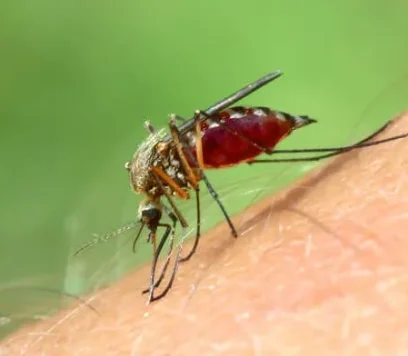
Warm weather creates more outdoor living, but it also brings more pest activity, especially in neighborhoods near the Detroit River, waterfront spaces, and parks-adjacent areas. Higher temperatures speeds up outdoor breeding, and that can mean more wasp nests under eaves, decks, and patio furniture. If you’re spending time on outdoor patios, you may also notice an increase in mosquitoes, especially after rain or when water lingers in low spots.
Standing water in birdbaths, clogged gutters, planters, and children’s toys is a major mosquito attractant. Around Windsor’s river-influenced neighborhoods, humidity and storm patterns can make the problem feel worse because breeding conditions stay favorable longer. Removing water sources is a simple but important way to reduce mosquito pressure.
Wasps can also become aggressive in late summer when colonies are larger and food becomes scarcer. That’s why patios, decks, and barbecue areas should be checked regularly. If you notice repeated wasp traffic, do not disturb the nest yourself. A professional approach uses targeted solutions and safe application methods that reduce risk while controlling the infestation.
Seasonal intruders before winter
Fall is the transition season when pests start searching for warmth and shelter. Cluster flies often appear around sunny walls and upper floors, then slip into voids and attic spaces. Rodents become more active too, and even small openings around doors, pipes, and vents can give them access.
Older homes in Windsor and mixed residential neighborhoods often have more attic entry points, small utility penetrations, and wear around rooflines. At this point weather stripping makes a real difference. Sealing gaps around garage doors, basement windows, and crawlspace access points can stop pests before they settle in for winter.
Autumn protection should also cover inspecting storage areas for materials for nests, cardboard, and clutter. Mice and rats use soft insulation, fabric, and paper to create nests, and once they find a route in, they may return repeatedly. Limiting entry and better sanitation are both vital parts of seasonal pest control.
Winter pest control concerns indoors
As temperatures drop, Windsor homeowners often notice increased indoor pest activity. Mice and other rodents search for warm shelter in garages, basements, and attics. They can slip around quietly through tiny gaps, and once inside, they may nest in hidden spaces near insulation or stored items.
Cockroaches can also be a winter concern, especially in homes with warmth, moisture, and accessible food. Kitchens, laundry rooms, and basement suites are common problem spots. Proper food storage, cleanup, and exclusion combine to make the home less appealing.
Winter pest control is not just about trapping what you see. It’s about identifying how pests got in in the first place, then using inspection and interior treatment where needed. In many cases, winter activity reveals gaps that were already present in the fall. Once the cold sets in, rodents and other pests are more determined to stay indoors.
Signs you need professional pest control in Windsor
Some pest issues can be handled with good housekeeping, but others need a licensed pest control technician. Usual indicators include droppings in cupboards, along baseboards, or in the attic; chewed wires behind appliances or in utility spaces; and nesting materials tucked into insulation, behind stored items, or under sinks.
You should also look for signs of property damage, such as gnawed wood, shredded paper, staining, and damaged packaging. If pests are active repeatedly in the same place, that suggests a path, food source, or nesting site that needs more than a quick cleanup. A professional can identify whether the issue is a one-time visit or a larger infestation that requires ongoing monitoring.
Once you spot multiple signs at once, it’s time to act. The sooner an inspection happens, the quicker it is to limit the spread and avoid structural damage or contamination.
Seasonal prevention checklist for Windsor homes
Good prevention is the foundation of pest control Windsor residents can depend on throughout the year. The strongest results usually come from combined measures that address entry points, food sources, moisture, and shelter all at once.
- Blocking entry points at doors, windows, vents, utility lines, and basement openings.
- Reviewing foundation cracks and sealing gaps that pests can use as hidden access routes.
- Keeping up with landscaping maintenance by trimming shrubs, reducing contact with siding, and keeping mulch away from walls.
- Securing garbage bins so lids close tightly and outdoor waste does not attract pests.
- Supporting moisture control with dehumidifiers, gutter cleaning, and prompt leak repairs.
- Swapping out damaged or loose weather stripping around garage doors and exterior doors.
- Reducing clutter in the basement and attic to limit nesting opportunities.
This approach are especially important in Windsor because older homes and densely built neighborhoods can have more cracks, gaps, and aging materials. Even newer homes gain from regular exterior sealing and interior checks. The best prevention works when homeowners think seasonally and treat the house as a living system that changes with the weather.
What to look for from local pest control services
Experienced local pest control services should begin with a careful inspection. A technician looks for pest species, entry routes, nesting sites, moisture issues, and environmental factors that promote activity. In Windsor, that often includes checking basements, attics, garages, soffits, and the areas around the foundation.
After the inspection, you should receive a straightforward treatment plan based on the pest, season, and property conditions. The best plans are not one-size-fits-all. They may blend interior treatment, exterior barriers, exclusion work, and recommendations for sanitation or repairs. For example, a mouse issue may require sealing gaps and setting traps, while a wasp issue may call for direct nest management and follow-up monitoring.
A good service also includes follow-up service. Pests can return if a problem area was missed or if seasonal conditions remain favorable. Trusted providers often use safe pest control methods designed to minimize risk to families and pets while still delivering effective results. That may include targeted solutions, careful placement, and product selection based on the setting.
In practice, this is what residential pest management should feel like: thorough, effective, and built around prevention as much as removal.
When to call a Windsor pest control expert
It’s the right moment to call a pest management professional when you notice an infestation, when you keep seeing recurring pests, or when DIY efforts only last briefly. If pests keep returning from the same basement corner, attic gap, or pantry area, there is likely an unresolved access or nesting issue.
A seasonal treatment is especially beneficial if your property has a history of spring ants, summer wasps, or winter mice. Homes with unfinished basements, older siding, or heavy tree cover often benefit from proactive visits before the problem becomes severe. In Windsor, the right timing matters because weather shifts can quickly change pest behavior.
Call a licensed technician if you notice chewed materials, active nests, structural damage, or signs that the issue is spreading. The earlier the inspection, the easier it is to use targeted solutions that protect the home without unnecessary disruption.
FAQs about season-specific pest control in Windsor

What pests are most common in Windsor during each season?
In spring, Windsor homeowners often see ants, especially carpenter ants, as moisture and thawing ground create perfect conditions. Summer usually brings more wasps and mosquitoes, particularly near the Detroit River, patios, and areas with standing water. In fall, cluster flies and rodents become more noticeable as they look for entry. Winter often shifts attention indoors, where mice and cockroaches may seek warmth and shelter.
How often should I schedule pest control in Windsor, ON?
For many homes, a seasonal schedule works well because it matches the cycle of local pest activity. That usually means at least one inspection and preventive service in spring, plus follow-up attention in summer or fall if your property has ongoing risk. Homes with older construction, frequent recurring activity, or high-risk features like attic gaps and basement moisture may need more frequent visits. The right schedule depends on the property, the pest species, and the level of prevention already in place.
What prevention measures work best for Windsor homeowners?
The best prevention tips focus on stopping pests from finding food, water, and shelter. Start with sealing entry points, repairing foundation cracks, and improving moisture control. Keep garbage bins closed, maintain the yard, and trim vegetation away from the home. Inside, use proper food storage, reduce clutter, and watch the basement and attic for signs of nesting. These steps help prevent pest problems before they grow.
Is professional pest control necessary for mice or ants in winter?
Yes, if you are seeing mice or ants in winter, professional help is often the right choice. Winter mice activity usually means the home is providing warm shelter and easy access, which can be hard to fix without a full inspection. Ants in winter can indicate indoor nesting or a hidden moisture issue. A licensed pest control technician can identify the route, use targeted solutions, and recommend exclusion work so the problem does not keep returning.
How much does seasonal pest control in Windsor usually cost?
Pricing factors are influenced by the kind of pest, the size of the property, the extent of the infestation, and whether repairs or return visits are needed. A standard seasonal service may cost lower than a full treatment plan for a more extensive or more complex issue. Homes with several entry points, heavy moisture concerns, or ongoing infestations often require more work. The most accurate estimate comes after an inspection, when the provider can evaluate the problem and advise on the right level of service.
Mosquito Man Windsor
2485 Front Rd, LaSalle, ON N9J 2C5, Canada
+1 226-526-4711
https://maps.app.goo.gl/JwhSC65zfbLWNH6v7
https://mosquitoman.ca/pest-control/windsor/
42.2161228, -83.1003005